Love the idea of a Black Hills cabin that helps pay for itself? If you are eyeing Custer and the Southern Black Hills for a second home or a small investment, you are in good company. Visitors come for parks, trails, wildlife, and iconic monuments, which keeps quality rentals in demand through much of the year. In this guide, you will learn how the market works, what to buy, which amenities matter, how to plan revenue and costs, and the rules to check before you invest. Let’s dive in.
Why Custer draws year-round visitors
Custer sits near many of the Black Hills’ top drawcards. Custer State Park offers wildlife viewing, lakes, scenic drives, and special events that bring steady leisure travel. Mount Rushmore National Memorial is a bucket-list stop, with Wind Cave and Jewel Cave within an easy drive.
Regional events add powerful spikes in bookings. The Sturgis Motorcycle Rally in early August drives region-wide demand. The Custer State Park Buffalo Roundup and holiday weekends also create short windows of high occupancy. Proximity to Rapid City Regional Airport and major highways makes it easy for both fly-in and drive markets to reach your property.
Seasonality and booking patterns
The Black Hills’ peak season runs from late spring to early fall. Families, road trippers, and event attendees dominate calendars from Memorial Day through early September. Shoulder seasons in spring and fall can be steady too, thanks to hiking, leaf peeping, and outdoor recreation.
Winter is quieter, but bookings do not disappear. Guests still seek cabin getaways, holiday stays, and niche activities like hunting. Rentals with winterized access and reliable heat, along with snow removal plans, tend to outperform during the off-peak months. The big takeaway is that annual results depend on filling shoulder weeks and optimizing for event spikes.
What to buy near Custer
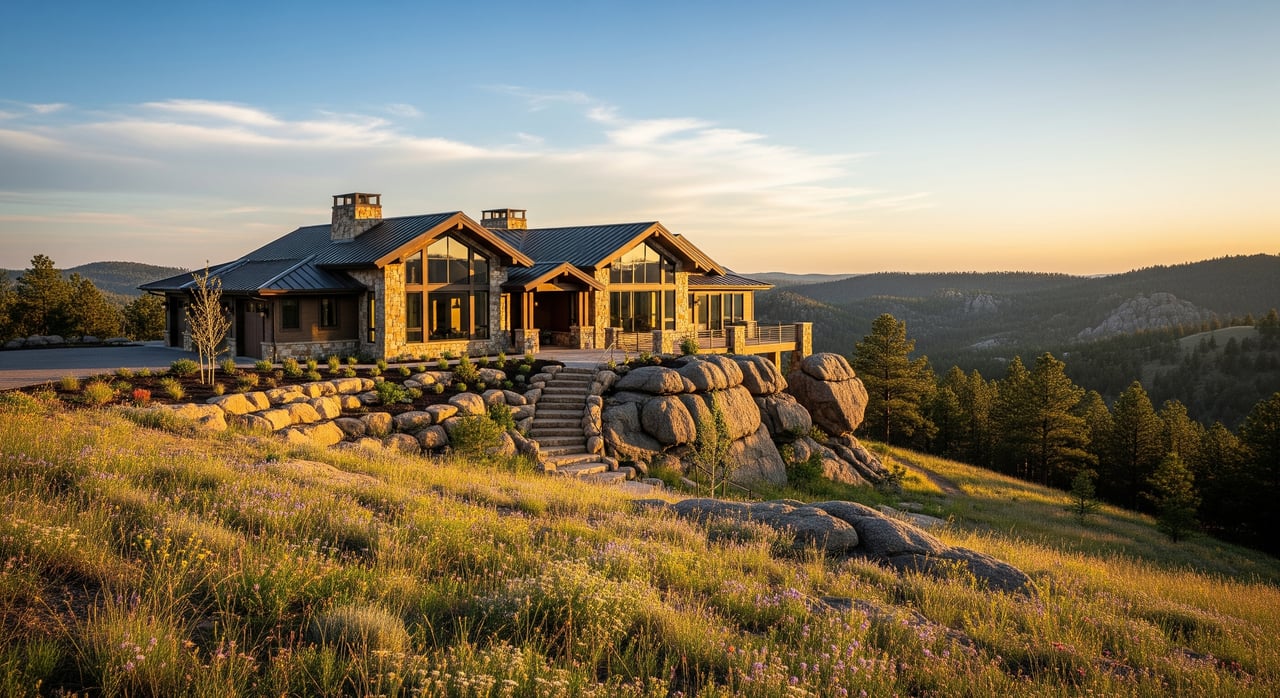
You will find several property types that fit well in this market. Rustic log cabins and A-frames offer an “authentic” Black Hills feel that many guests seek. Modern mountain homes and renovated ranch properties can command higher nightly rates if well staged and photographed.
Smaller studio and one-bedroom cottages near town centers work well for couples and short stays. Larger homes, multi-bedroom cabins, and ranch properties can attract multi-generational groups, reunions, or hunting parties. Properties with private acreage, big views, or lake proximity typically earn a premium.
Location details that matter
Proximity to Custer State Park trailheads, Sylvan Lake, and scenic drives is a major pricing driver. Walkable access to restaurants and shops in towns like Custer, Hill City, or attractions in Hot Springs appeals to guests who want both nature and convenience. Road access matters too, especially in winter. Steep, unplowed roads can cost you off-season revenue.
Parking deserves special attention. Many Black Hills travelers arrive by truck, with trailers, or by motorcycle during rally season. Clear parking space and easy turnaround can lift guest satisfaction and booking conversion.
Amenities that move the needle
Certain features consistently increase booking velocity and rates:
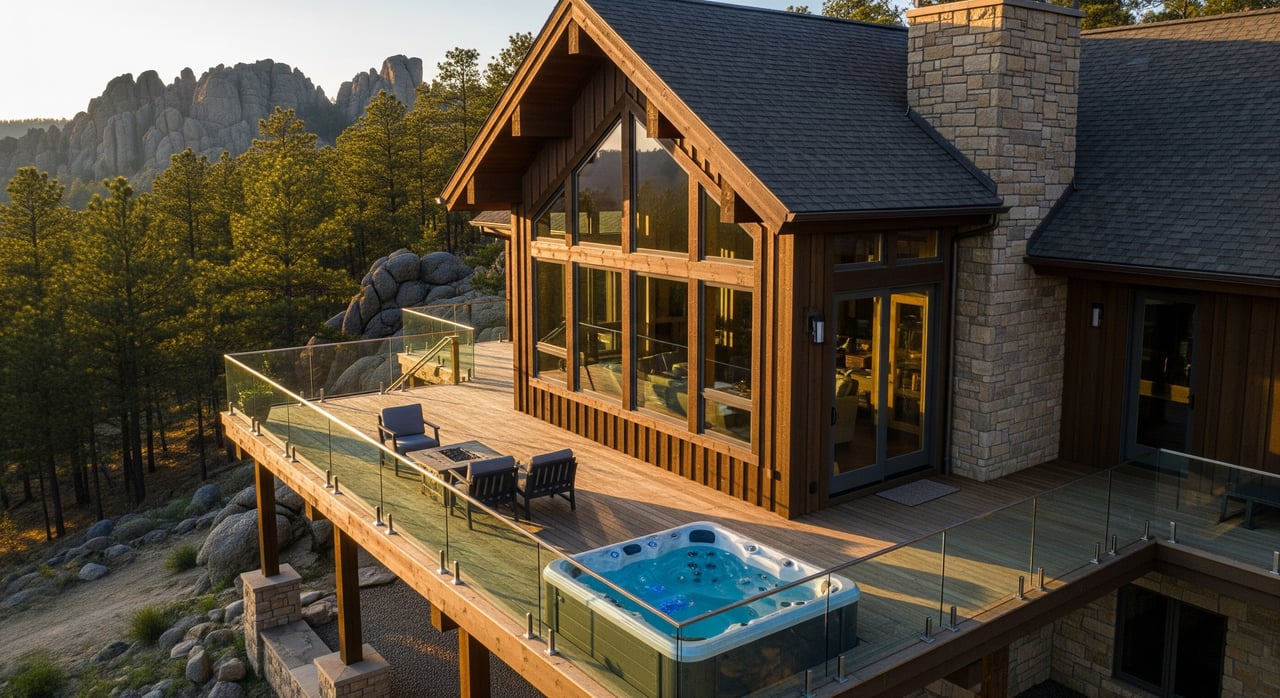
- Hot tub, fireplace, and a safe outdoor firepit
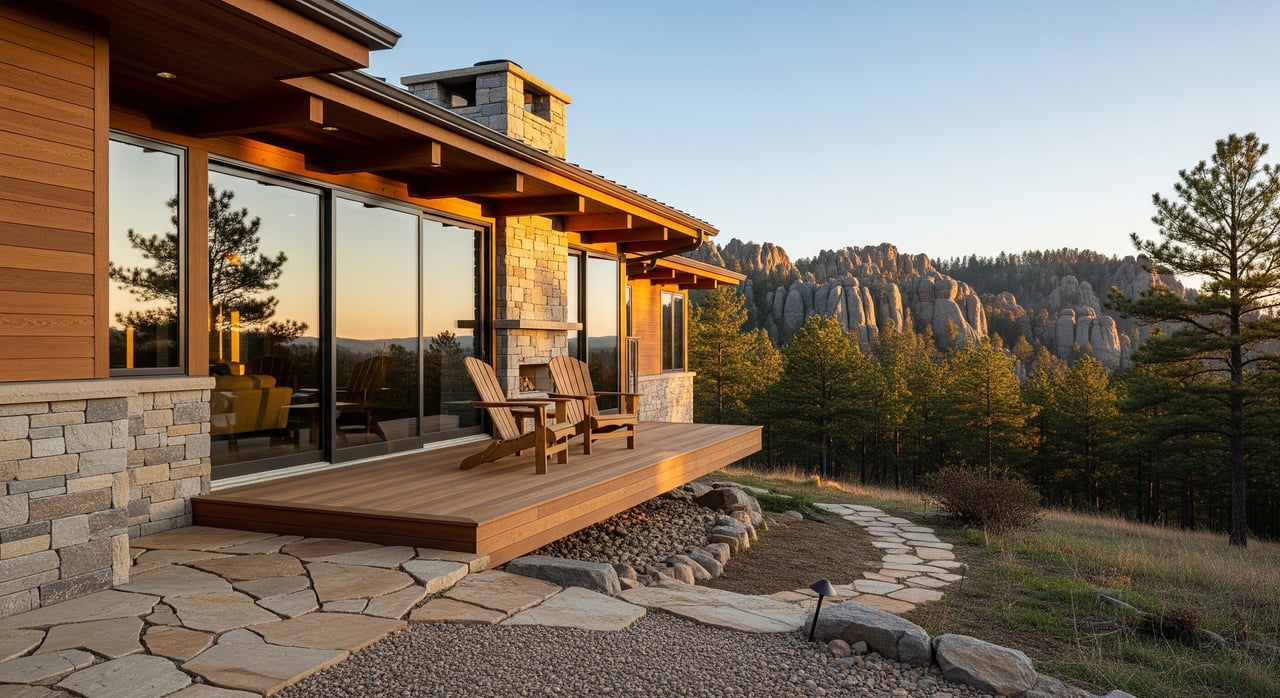
- Lake access, mountain views, decks, and outdoor seating
- A well-equipped kitchen with quality cookware
- Reliable high-speed internet, even if your brand is a “disconnect” retreat
- Pet-friendly touches, when allowed, with clear rules
- Practical gear solutions like boot racks, a mudroom, secure storage for bikes, and ample parking
Quality presentation also matters. Clean, contemporary design and high-quality photos directly impact your price and occupancy. If you plan only one upgrade, consider the photo package after a light design refresh.
Revenue strategy basics
A few levers help you manage seasonality and maximize revenue:
- Use dynamic pricing to adjust rates by day, season, and event dates.
- Set longer minimum stays during peak periods and shorter minimums during shoulder weeks to fill gaps.
- Disclose fees clearly, such as cleaning or pet fees. Guests value transparency.
- Market across multiple channels and tailor your listing copy to your best-fit segments, such as families, motorcycle groups, outdoor adventurers, or couples.
- Explore upsells or partnerships, such as guided experiences or gear rentals, where allowed.
Amenities that justify a premium often pay for themselves. Hot tubs, strong Wi-Fi, a standout outdoor space, and high-quality bedding can lift both rate and reviews.
Cost planning and cash flow
Plan your operating budget by major cost buckets so you can estimate net income with more confidence. Common items include platform and payment processing fees, cleaning and turnovers, maintenance and replacements, and utilities with seasonal spikes. For rural or wooded properties, expect added landscaping, snow removal, and trash costs.
Insurance premiums may be higher for short-term rentals than for standard homeowners coverage. You should also plan for local and state lodging and sales taxes. If you work with a property manager, factor the fee range into your pro forma and compare options carefully.
Management options that fit your life
You have three common paths to run a Black Hills vacation rental:
Self-management
- Pros: Lower ongoing fees and full control of brand, pricing, and guest experience.
- Cons: Time intensive and requires local presence for turnovers and emergencies.
Co-host or hybrid local host
- Pros: A middle ground that offloads cleaning, check-ins, and guest communications.
- Cons: You need reliable partners and consistent quality control.
Full-service property manager
- Pros: Turnkey support for marketing, pricing, operations, and compliance. Helpful for remote owners or larger portfolios.
- Cons: Management fees reduce net revenue, and service quality varies by firm.
When you interview managers, ask for local comparable performance and seasonally broken occupancy and ADR. Review contract terms, fee structures, exclusivity, termination clauses, and how they handle issues and insurance.
Rules, taxes, and insurance
Before you buy, confirm whether short-term rentals are allowed at the specific address. In the Black Hills, regulations vary by jurisdiction, including Custer County and the cities of Custer, Hill City, and Hot Springs. Contact the planning and zoning office or municipal clerk to understand permits, occupancy limits, inspections, parking standards, and noise rules.
For taxes, hosts typically register and remit applicable state and local lodging and sales or use taxes. Confirm requirements with the South Dakota Department of Revenue and the relevant county or city tax office. Short-term rental income is taxable at the federal level, so consult a CPA about income reporting, allowable expenses, and depreciation.
Standard homeowners insurance often excludes short-term rental exposure. Consider short-term rental endorsements or specialized vacation-rental coverage. Set liability limits that fit your property’s features and group sizes, especially if you offer a hot tub or have rugged terrain. Some platforms and managers require minimum coverage levels.
Safety and accessibility
Make safety a priority and meet all local codes. Provide smoke and carbon monoxide detectors, fire extinguishers, and proper egress. Keep outdoor areas tidy and well lit where appropriate. Disclose accessibility limitations accurately. If you plan to market accessibility features, seek guidance on obligations that may apply.
How to run your first pro forma
A simple pro forma helps you compare properties and avoid surprises:
- Identify 3 to 5 comparable listings near your target property. Track nightly rates, minimum stays, and blocked calendars for 6 to 12 months.
- Model seasonality. Use higher rates and longer minimums for peak, with conservative occupancy. Use flexible minimums and moderate rates in shoulder seasons. Lower both in winter unless amenities or access justify more.
- Estimate gross revenue by combining rate and occupancy for each season, then add any ancillary revenue you plan to offer.
- Subtract platform fees, cleaning and turnover labor, maintenance and replacements, utilities, snow removal, landscaping, trash, insurance, taxes, and management fees if applicable.
- Stress test your model. Reduce occupancy in shoulder and winter periods and ensure cash flow still works for you.
Local due diligence checklist
Use this quick plan to move from idea to action:
- Confirm short-term rental rules for the exact parcel with the county or city planning office.
- Register for required permits or licenses if needed.
- Consult the South Dakota Department of Revenue for state tax registration and guidance.
- Request sample performance data from local property managers for similar homes.
- Price insurance for short-term rental coverage and an umbrella policy if appropriate.
- Build a vetted bench of cleaners, handypeople, snow services, and a backup locksmith.
- Decide on your management model and document standard operating procedures.
Put local expertise on your side
A well-chosen property with the right amenities and a clear operating plan can earn strong seasonal revenue in the Black Hills. Your success will come from location, presentation, pricing, and consistent care. If you want a sounding board on neighborhoods, access, and the details that matter to guests, reach out to Amanda for a local perspective.
Ready to explore Custer-area options or pressure-test a pro forma? Connect with Amanda Carlin for grounded guidance on the Southern Black Hills market.
FAQs
How strong is demand for vacation rentals near Custer State Park?
- Visitor traffic from Custer State Park, nearby national parks and monuments, and event periods like the Sturgis Rally drives steady seasonal demand with notable spikes.
When do Black Hills rentals earn most of their revenue?
- Most revenue typically concentrates from late spring through early fall, with shoulder season opportunities in spring and fall and lower but present winter demand.
Which amenities add the most value in Custer vacation rentals?
- Hot tubs, fireplaces, outdoor spaces with views, strong Wi-Fi, well-equipped kitchens, and practical gear storage tend to boost both rates and bookings.
What rules and taxes apply to short-term rentals in Custer, SD?
- Rules vary by jurisdiction, so confirm permits, occupancy, parking, and inspections with the relevant city or county, and register for state and local lodging and sales taxes.
Should I self-manage or hire a property manager in the Black Hills?
- Choose based on time, proximity, and goals, then compare cost, service scope, local performance data, contract terms, and issue response protocols.
How do I estimate revenue for a Custer vacation rental?
- Track nearby comps, model seasonality with conservative assumptions, add realistic fees and costs, and stress test occupancy and rates before you buy.