Picture this: you lace up, grab coffee, and step onto a forested trail before work. If that sounds like your kind of morning, Custer might feel like home. You get a quieter pace, close-knit community habits, and world-class outdoor access in every direction. In this guide, you’ll learn what daily life looks like, how the seasons shape routines, what services you can count on, and practical tips for buying or relocating. Let’s dive in.
Where Custer sits in the Black Hills
Custer is a small mountain town in the Southern Black Hills and the county seat of Custer County. You’re about a 40 to 60 minute drive from Rapid City, the region’s hub for major shopping, a large hospital, and the airport. The town serves as a gateway to public lands, including Custer State Park, Black Hills National Forest, Wind Cave National Park, and the George S. Mickelson Trail. Travel can be slower in winter weather, so you plan around conditions during storms.
Bottom line: You live small-town quiet with big scenery and easy access to regional services when needed.
Everyday essentials in town
Downtown Custer is compact and easy to navigate. You’ll find locally owned shops, galleries, outfitters, and service businesses like mechanics and hardware. There is at least one full-service grocery in town along with smaller markets for weekly needs. For specialty items and big-box retail, most residents make a periodic trip to Rapid City.
Dining ranges from casual cafes and family diners to restaurants that serve visitor traffic. Hours often shift with the seasons. In the off-season, some businesses scale back or close for short stretches, so you learn the local rhythm quickly.
What to expect: Weekly errands are convenient in town, and larger shopping runs happen on a planned schedule.
Healthcare and emergency services
You have access to primary care clinics and urgent-care style services for everyday needs. For major hospital care or specialty medicine, residents typically travel to Rapid City. Emergency medical response is local, but transport to Rapid City may be required for serious situations.
Plan ahead: Know where to go for routine care and have a plan for specialist appointments in the regional center.
Schools and childcare
Custer has a public school district that serves elementary through high school. Families appreciate having a full K–12 path in town. Preschool and childcare slots can be limited compared to larger cities, so it helps to check availability early.
For higher education, you’ll find community colleges and universities in Rapid City and nearby towns. That makes commuting for classes or training a realistic option.
Tip: If childcare is a priority, verify current capacity with local providers and the district before setting a move-in date.
Internet, utilities, and everyday services
Inside town, you can expect electricity, municipal water, and sewer for many properties. Rural homes outside the city often rely on wells and septic systems. Trash and recycling may be more limited than in big cities, and rural residents sometimes use private providers.
Broadband varies by location. Some neighborhoods and businesses have cable or fiber, while many rural properties use DSL, fixed wireless, or satellite. Cellular service is generally reliable in town and at popular recreation sites. Coverage can be spotty in valleys or remote forest areas.
Check before you buy: If you work remotely, confirm the exact internet options for a specific address and test speeds where possible.
Trail town lifestyle
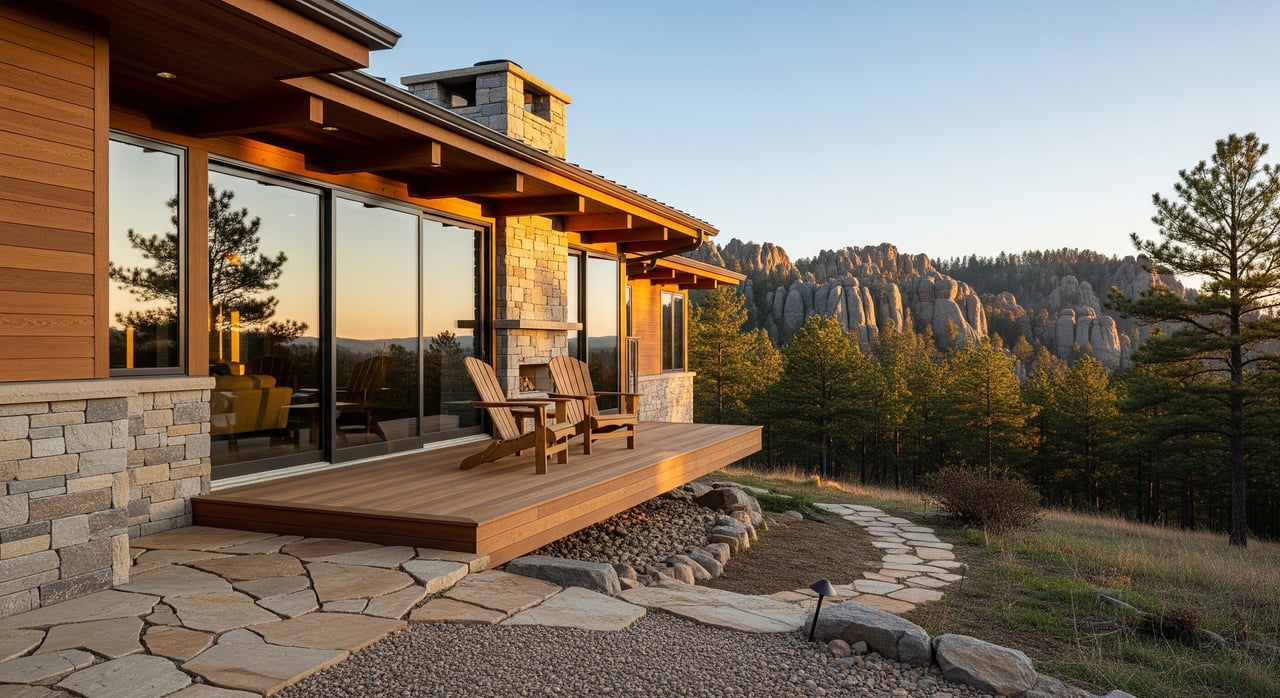
Outdoor access is the heartbeat of everyday life here. Short drives put you at trailheads in Custer State Park and the Black Hills National Forest. The George S. Mickelson Trail brings a beloved rail‑trail into the mix, and Wind Cave National Park is a quick trip away for unique landscapes and cave tours. The Needles area draws climbers and photographers with dramatic granite spires.
What you can do most days
- Hike, trail run, or mountain bike on a wide range of routes, from family-friendly paths to technical singletrack.
- Fish, paddle, or relax at lakes in summer, with Sylvan Lake a favorite day spot.
- Climb, boulder, or scramble in scenic rock formations around the Needles.
- In winter, switch to cross‑country skiing, snowshoeing, snowmobiling where allowed, or winter hiking when conditions permit.
Good to know: Local outfitters provide rentals and guidance, and many trails have parking or seasonal vehicle restrictions. A little planning goes a long way during peak periods.
Seasonal access tips
- Summer: Expect busy weekends at popular trailheads and lake areas. Early starts and weekday outings help you find more solitude.
- Fall: Cooler temps, golden color, and wildlife viewing make this prime season. The late September Buffalo Roundup in Custer State Park brings increased traffic and energy.
- Winter: Snow and ice can close certain roads or limit high-elevation access. You can still get outside with proper gear and local knowledge.
- Spring: Thaw and mud are common. Some businesses ramp up slowly, and conditions change quickly with weather.
Year-round takeaway: You can get outside almost every week of the year with a flexible plan and seasonal gear.
Community rhythm and events
Custer’s year follows an outdoor and tourism-driven rhythm. Peak season runs from late spring through early fall, with a second bump in late September. Downtown is lively, and events, markets, and live music pair with the visitor season. Shoulder seasons bring quieter streets and shorter hours for some businesses. Winter shifts inward with community gatherings, school sports, and club meetings.
If you enjoy small-town traditions, you’ll find civic groups, arts and heritage organizations, and faith communities active throughout the year. Many newcomers connect through volunteering or outdoor clubs.
Lifestyle fit: If you like a calm winter, lively summers, and being part of a community you see often, the cadence here will feel natural.
Housing and property types
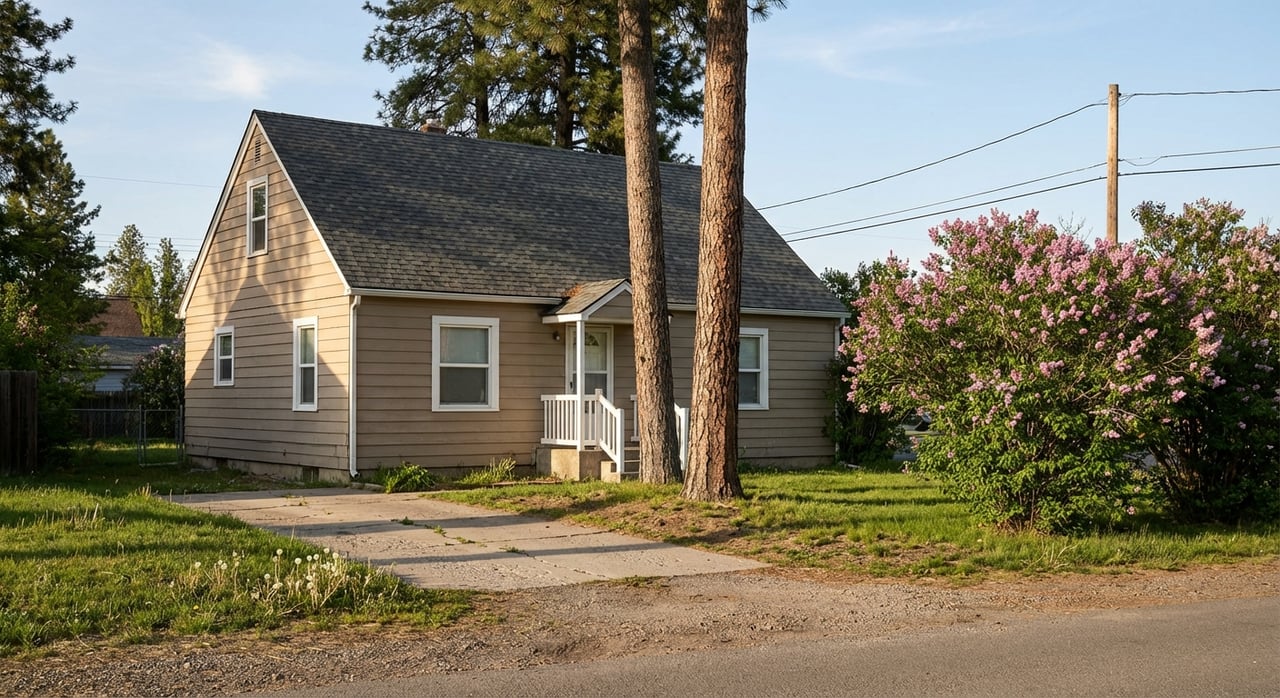
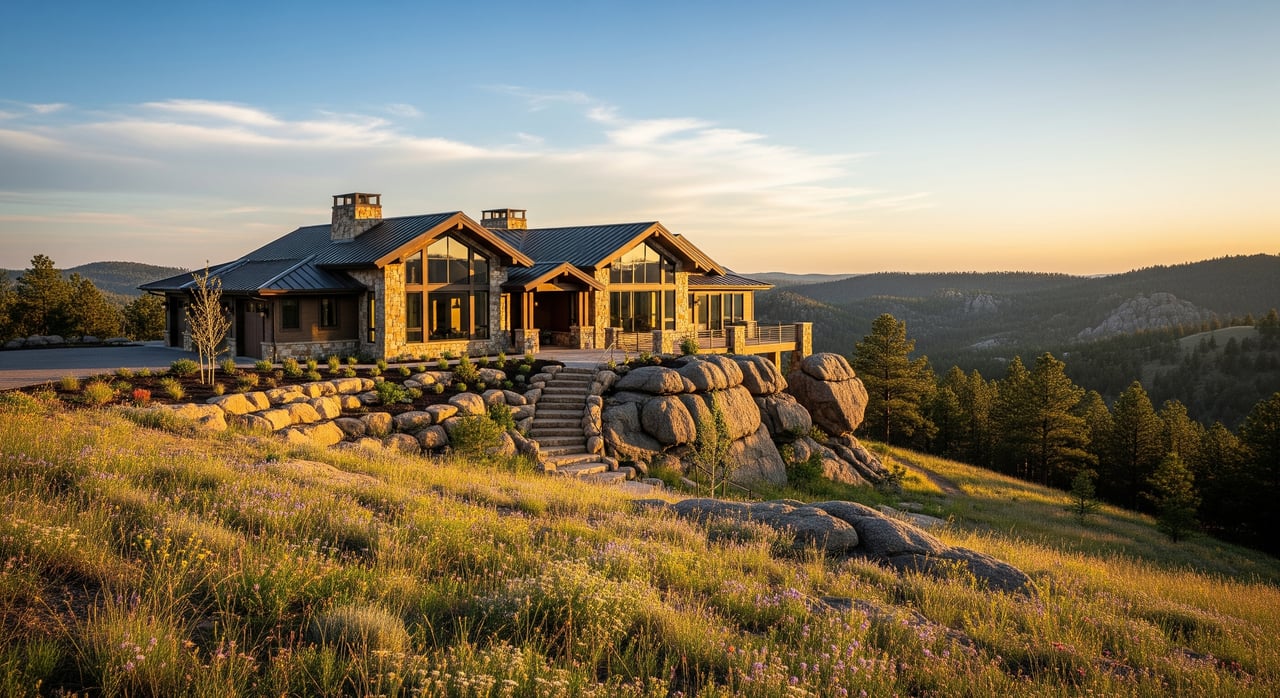
You’ll find an appealing mix of options: historic homes in town, single‑family houses on neighborhood streets, cabins and vacation-style properties, and newer construction in select areas. Many buyers look for trail access, views, or acreage that supports a lifestyle close to the land.
Inventory can be seasonal, and second‑home demand affects timing. Short‑term rentals are part of the regional economy, and some owners choose to hold properties for personal use and occasional rental.
For buyers: If you are considering acreage or a rural home, pay special attention to wells, septics, and road maintenance responsibilities.
Ownership basics, taxes, and rentals
South Dakota’s tax structure is often attractive for relocators, especially the absence of a state income tax. Property taxes and sales taxes vary by county and municipality. If you plan to operate a short‑term rental, check Custer City and Custer County rules for licensing, permits, zoning, and lodging tax collection.
Do your homework: Review local ordinances early, especially if rental income is part of your strategy.
Work, commuting, and remote roles
Year‑round jobs in Custer include government roles with the state park and county, education, healthcare clinics, retail, hospitality, and trades. Many residents also commute to Rapid City for specialized positions. Remote work is growing as more people bring their careers with them.
Your daily routine will depend on connectivity and road conditions. If you plan to commute, plan for variable travel times during winter storms and busy summer weekends.
Pro tip: If you are a remote worker, confirm broadband at the address level and consider a backup plan such as fixed wireless or mobile hotspots.
Moving and timing tips
Moving during peak tourism months can be costly and congested. Off‑peak months often mean easier scheduling and better rates. If you are buying a recreational or rural property, schedule inspections that focus on utilities and access. Ask about snow removal, private road maintenance, and whether winter access is reliable for your specific location.
For in-town properties, confirm service providers for trash, recycling, and internet well before move‑in. That helps you settle in without surprises.
Smooth move checklist: Time your move for shoulder seasons, verify utilities and road access, and plan a few extra days for weather or logistics.
Is Custer a fit for you?
Choose Custer if you want calm mornings, trail time built into your week, and a community that still knows your name. Expect busy summer streets and quiet winters, with everyday services that cover the basics and a regional city close enough for everything else. If you value land, scenery, and a slower pace, living here feels less like an escape and more like alignment.
Start your Custer search
If Custer is calling, you deserve guidance from someone who lives the lifestyle and understands the land. Connect with fourth‑generation local expertise and a boutique, high‑touch approach to your search or sale. Work with Amanda Carlin to explore properties, clarify your goals, and make your move with confidence.
FAQs
Is Custer, SD good for daily outdoor activity?
- Yes. You have short drives to Custer State Park, Black Hills National Forest trailheads, and the Mickelson Trail, with options from easy walks to technical routes.
How does tourism affect everyday life in Custer?
- Peak season brings more traffic, busy trailheads, and expanded business hours. Shoulder seasons and weekdays are much quieter and easier for errands.
What services can I expect for groceries and healthcare?
- You can shop for weekly basics and see primary care in town. For specialty shopping and major hospital care, residents usually go to Rapid City.
What are winters like for residents?
- Winters include snow and cold, and some roads or trails can be limited. Roads are maintained, but winter driving skills and preparation are important.
Can I live in Custer year‑round without commuting to Rapid City?
- Many residents do. Local roles exist in government, parks, schools, clinics, retail, hospitality, and trades, and remote work is common for some newcomers.
What should second‑home buyers know about short‑term rentals?
- Local rules may require permits, business licenses, and lodging tax collection. Always review Custer City and Custer County ordinances before planning rentals.